The Department of Homeland Security Shutdown, the TSA Crisis, and What the Fight Is About
The United States is currently in a partial government shutdown that specifically affects the Department of Homeland Security (DHS), and it has now stretched for weeks, making it one of the longest shutdowns focused on a single department in U.S. history. The shutdown began when Congress failed to agree on a funding bill for Homeland Security, largely because of disagreements over immigration enforcement and how federal agencies like Immigration and Customs Enforcement (ICE) should operate. (Wikipedia)
At the center of the political fight is immigration policy. One side of Congress wants to fund Homeland Security fully, including immigration enforcement and border operations, while the other side wants funding to be tied to new rules and reforms that would limit or change how immigration enforcement agencies operate. Because neither side would agree to the other’s version of the funding bill, the result was a shutdown of Homeland Security funding. (Reuters)
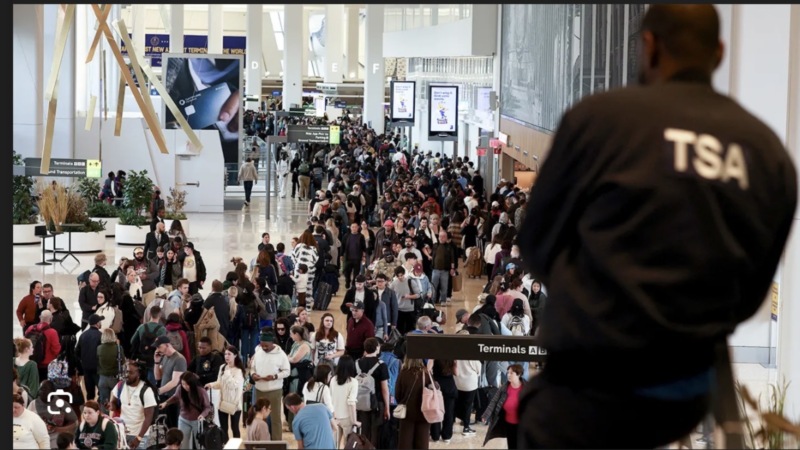
The most visible effect of this shutdown has been the crisis at airports involving the Transportation Security Administration (TSA). TSA agents are considered essential workers, which means they were required to continue working even though they were not getting paid during the shutdown. This led to many TSA officers quitting, calling out of work, or facing serious financial hardship, which caused major staffing shortages at airports across the country. (Reuters)
As a result, airports experienced extremely long security lines, delays, and travel disruptions. Some airports had only a few security checkpoints open, and wait times in some places stretched for hours. The situation became so serious that other federal agents were temporarily reassigned to help at airports, even though they were not originally trained for TSA screening. (Wikipedia)
Eventually, emergency action was taken to ensure TSA workers would receive pay, but the larger political fight over Homeland Security funding and immigration policy has still not been fully resolved, meaning the situation could continue or happen again if Congress cannot reach a long-term agreement. (Federal News Network)
What this situation shows is that the shutdown is not really about airports or TSA alone. The TSA problems are a symptom of a much larger political battle over national security, border control, immigration enforcement, and federal authority. Until those issues are resolved at the national level, funding fights like this will continue to affect everyday Americans, especially when it comes to travel, security, and government services.
In summary, the Department of Homeland Security shutdown happened because of a political standoff over immigration enforcement policy. The TSA crisis happened because TSA workers were required to work without pay during the shutdown, leading to staffing shortages and airport chaos. The real fight in Washington is about immigration policy, federal enforcement power, and how Homeland Security should operate in the future.