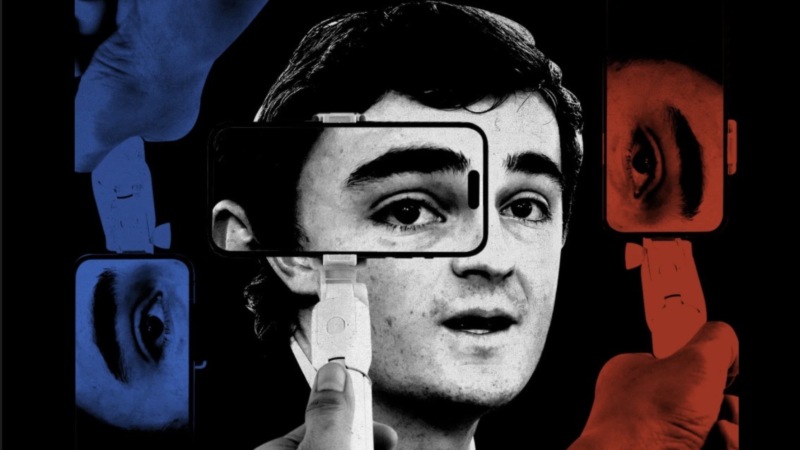
The Future of Citizen Journalism: What the Rise of Nick Shirley Reveals
In recent years, citizen journalism has moved from the fringe of the internet to the front lines of media, and few creators represent this shift better than independent journalist and YouTuber Nick Shirley. His work—filming protests, interviewing people on the street, and documenting events as they happen—represents a major change in how news is gathered, reported, and consumed.
Citizen journalism is the reporting of news by ordinary individuals rather than professional news organizations. With smartphones, livestreaming, drones, and social media platforms, everyday people now have the ability to document events in real time and distribute that information to millions without going through traditional media gatekeepers. This has fundamentally changed the media landscape.
Nick Shirley’s style of journalism shows several key trends that point to the future of citizen journalism.
First, access is changing. Traditional media often reports from a distance, through press conferences, official statements, and studio analysis. Citizen journalists, however, often go directly into crowds, protests, disaster zones, and public spaces to talk directly to people. This creates raw, unfiltered reporting where viewers can hear directly from everyday citizens instead of only officials, experts, or politicians. This kind of reporting feels more personal and more immediate to audiences.
Second, trust in media is shifting. Many people no longer fully trust large media organizations, believing they are politically biased or controlled by corporate interests. Because of this, audiences are increasingly turning to independent journalists who appear to be more transparent and closer to the public. Citizen journalists often film long, uncut interactions, allowing viewers to make up their own minds rather than being presented with heavily edited news packages.
Third, technology has made this movement possible. A single person today can do what once required an entire news crew. With a camera, microphone, smartphone, editing software, and an internet connection, one individual can film, edit, publish, and distribute news content worldwide within hours. As technology continues to improve, especially with livestreaming, satellite internet, and mobile editing tools, citizen journalism will likely continue to grow.
However, the rise of citizen journalism also brings challenges. Traditional journalists are trained in verification, fact-checking, media law, and ethical standards. Citizen journalists may not always follow the same standards, which can sometimes lead to misinformation, incomplete reporting, or emotionally driven content. Because of this, the future of journalism will likely include a mix of both traditional journalism and citizen journalism, with audiences learning to compare multiple sources.
Another important factor is safety. Citizen journalists often work alone, without security teams, legal teams, or corporate protection, and many report from tense or dangerous environments. As this field grows, safety, legal protection, and platform censorship will become major issues that shape how citizen journalism develops.
Looking ahead, the future of citizen journalism will likely include more independent reporters, more on-the-ground livestream reporting, more audience-funded journalism through subscriptions and donations, and more competition with traditional media outlets. The line between “journalist” and “content creator” will continue to blur.
In many ways, citizen journalism represents a return to one of the original purposes of journalism: documenting what is happening and letting people see events for themselves. As people like Nick Shirley and others continue to grow their audiences, they are helping create a new media model where information is faster, more direct, and often more personal than traditional news.
The future of journalism will not belong only to large news companies. It will belong to individuals with cameras, internet connections, and the willingness to go where the story is happening and show the world what they see.